
If you care about the welfare of your property and its inhabitants, you must schedule pest inspections frequently. These inspections are important for spotting possible pest infestations and getting rid of them before they become big issues. Homeowners may save money, protect their families' health, and keep their property's value high by checking for pests regularly.
Regular pest inspections help provide tenants with a healthy and habitable environment by minimising risks of pest-related damages and taking preventative measures when needed.
What Is A Pest Inspection?
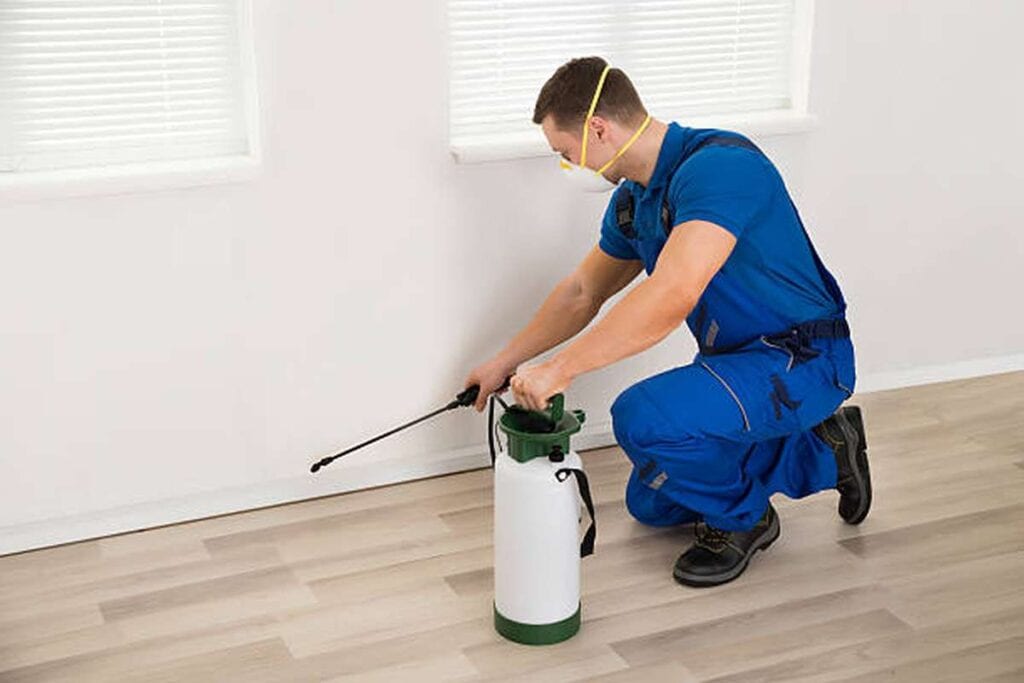
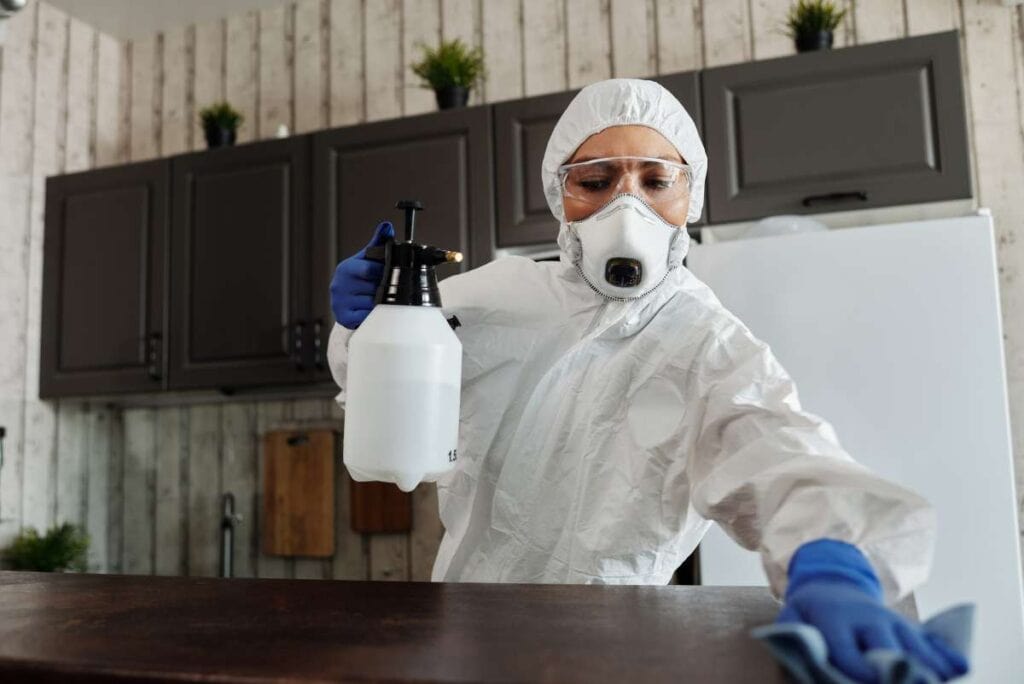
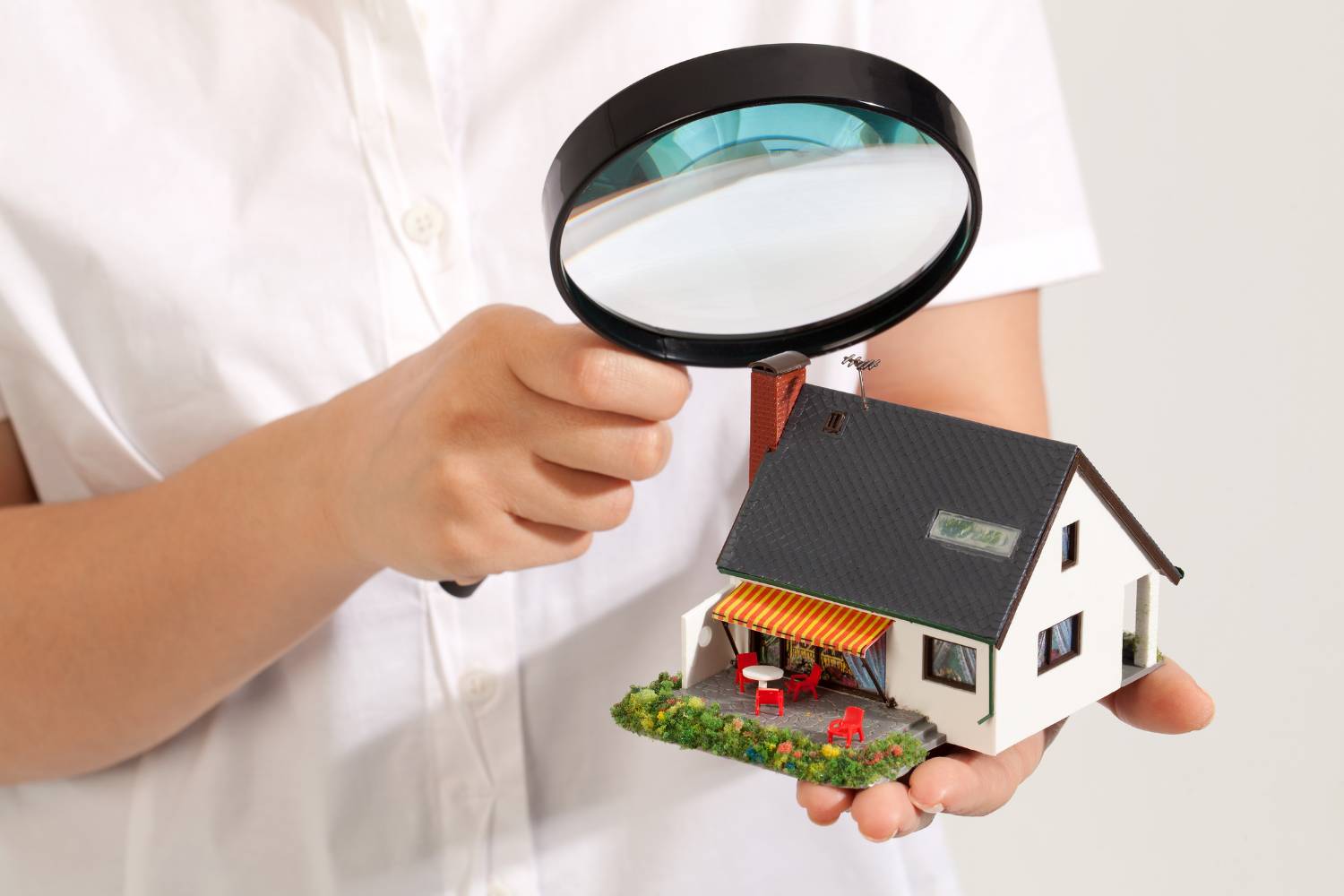
A certified inspector will come to a home and look for any signs of pests that could harm the people living there or the building itself. During an examination, the inspector will search the interior and outside of your home for signs of damage caused by insects, rotted wood, and other potential dangers.
Both a home inspection and a pest inspection are distinct from one another. A home inspection examines the primary components and components of a house. On the other hand, a pest inspection is primarily concerned with locating any unwelcome creatures hiding in crawl spaces, garages, attics, basements, and access points within the home.
Types Of Pests Commonly Inspected
Termites
White ants, or termites, are a major threat to the stability of buildings and other artificial structures. Buildings made of wood are vulnerable to their incessant eating habits, which can weaken them over time. The disastrous effects of termite infestations might be lessened with prompt identification and treatment.
Failing to address termites promptly is a way to invite costly repairs or structural damage. This highlights the need for proactive termite management strategies. Property owners have the potential to protect their assets and maintain the long-term durability of their homes against the damaging effects of termites by successfully adopting appropriate termite control measures and enlisting the assistance of professionals.
Ants
Ants may not be as dangerous as other pests, but they can still cause property damage and disturb people's quiet. Damage to buildings can result from their presence, especially if they develop colonies in wood or masonry. Furthermore, ant infestations can be a constant pain because ants contaminate food sources and invade residential places.
Identifying ant infestations as quickly as possible and taking adequate action is necessary to prevent further development and reduce the potential for damage. Proactively addressing ant colonies allows homeowners to protect their property and create a pleasant living space without pests.
Spiders
Certain kinds of spiders in Australia hold venom that can cause bites and other undesirable effects, even though the majority of spiders in Australia are harmless to humans. If you want to find out if there are any spiders in the house and how dangerous they are, you need to do a full pest inspection.
Homeowners can learn more about spiders and get personalised advice on controlling them by hiring expert pest inspections. Residents can live in a safer environment and reduce the likelihood of spider encounters by proactively sealing access points and decreasing harborage sites. By making pest inspections a top priority, homeowners can protect their homes from spiders and rest easy.
Cockroaches
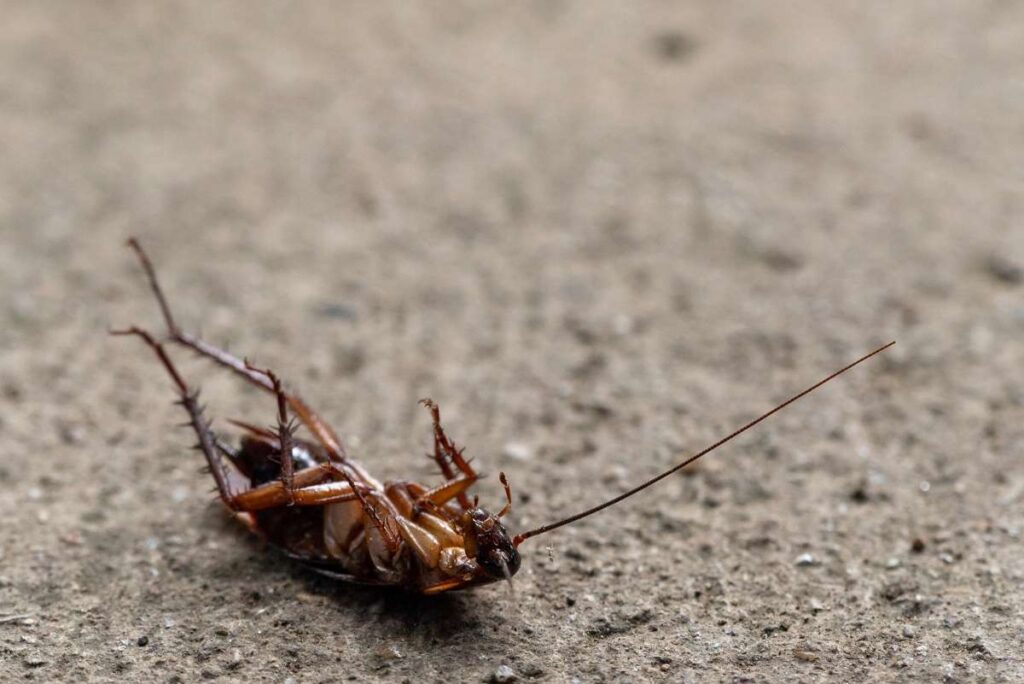
Cockroaches are dangerous because they can spread disease and cause allergic reactions in some people. Food poisoning and dysentery are among the diseases that these hardy bugs carry. Cockroaches can infest food and surfaces and live in many different environments, so responding swiftly when you see an infestation is crucial.
The presence of cockroaches can negatively affect your mental health and physical health. To reduce the potential health concerns linked with cockroach infestations and to have a hygienic living environment, it is essential to implement complete pest control techniques.
Rodents
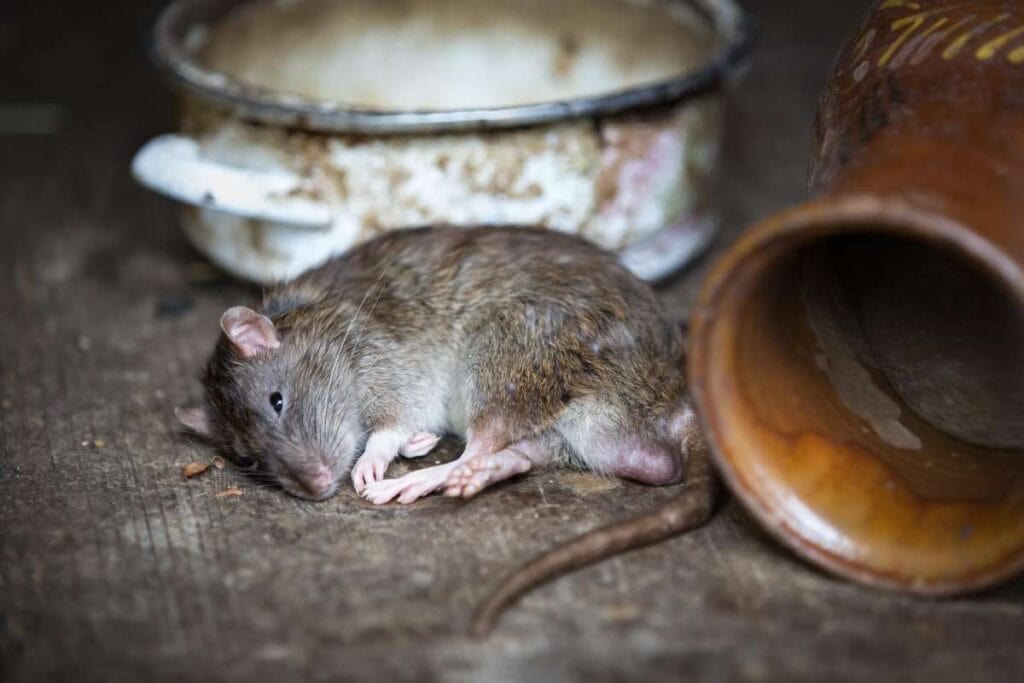
Mice and rats, in addition to causing property damage, pose a substantial threat to residents' health because they can transmit diseases. The Australian Institute of Health and Welfare reports that rodents can spread several diseases to people. These include hantavirus, salmonella, and leptospirosis. Proactive pest management techniques are crucial because they can harbour and spread diseases.
Rodent infestations, if left unchecked, not only put the structural integrity of properties in jeopardy, but they also put the health and well-being of the people who live there in jeopardising situations. Protecting property and human health requires the implementation of effective rodent control measures.
The Benefits Of A Yearly Pest Inspection
You should still get your home inspected for termites and pests once a year, even if you have not seen any signs of infestation. A good approach to tell if a pest infestation is starting is to look for telltale signs. Furthermore, even if the pests have not yet begun to infiltrate your home, the specialists responsible for pest control may watch for any problems that could leave you vulnerable.
It Is Better To Prevent Than Cure.
P prevention is far more cost-effective than treatment regarding pest infestations like term tes. Termites are nearly undetectable to the naked eye despite being the most destructive pests when it comes to property. Aim for a yearly pest check to keep your degree of prevention at a consistent level.
The importance of exclusion in preventing termites and other pests from entering your home is something that we emphasise regularly. Insects and rodents can enter through remarkably small entryways. In addition, they are drawn to anything that contains water and food.
The professionals will not only look for signs of pests during a yearly inspection, but they will also point out areas of your home susceptible to infestations so that you can take preventative measures against future infestations.
Save Money
Pests can harm your property and make you spend a lot of money to repair it, and they present a significant financial risk. For example, termites can seriously damage your home's structure due to their insatiable need for wood. The chewing behaviours of rodents can damage wiring and raise the risk of fires, adding another threat.
Worse, many insects can cause harm and spread illness, making matters much worse. Damages caused by pests are often not covered by insurance, so homeowners end up footing the bill for repairs. To save money and keep your property safe from pests, doing routine inspections to catch them early is important.
Protect Your Investment
When contemplating the acquisition of a property, it is important to do a comprehensive pest inspection to uncover potential hidden problems. It is wise to start regular inspections and treatment services after acquisition. Although the home did not appear to have any pest issues during the initial assessment, the history of pest protection is still unknown.
Setting up regular pest control services strengthens your home's defences and reduces the likelihood of infestations. Proactive pest management techniques guarantee your home's long-term integrity and liveability. Whether finding hidden issues during pre-purchase inspections or shielding against future infestations, these steps will provide you peace of mind and preserve your home's worth.
Changes In The Environment Are Monitored.
Having new garden beds created or having seasonal plantings switched out is common in the neighbourhood around your house. Using dirt near the building's edge is always a bad idea. Avoid making it easy for termites to breach the barrier by constructing an inconvenient bridge.
Remember that plants near walls and decks require special attention due to their height. We require ground-level access to the entire building for a reliable deterrent. To keep water problems at bay, you should also inspect your drainage system frequently. Inspect the area around the foundation to ensure no clogged downspouts or running water from the faucets.
Possible Results Of Ignoring Pest Problems
The safety of your property and the value of your property might be severely compromised if you choose to ignore pest problems. If insect problems are ignored, some of the possible outcomes could be
Health Risks
There are several ways in which pests can impair people's health; for example, they can spread diseases, make allergies worse, and even bring dangerous chemicals into the home. Pest problems must be dealt with promptly to ensure residents' safety and keep the interior environment healthy. People can reduce potential dangers to their health and make their homes more pleasant and secure for their families by employing efficient pest control methods.
Structural Damage
Pests like termites and rats can seriously compromise the structural integrity of houses. The safety of the residents and the skyrocketing cost of repairs could result from ignoring these problems for too long. Property owners can protect their assets and ensure their structures are safe and sound for the long haul by quickly dealing with insect infestations and taking preventative measures.
Negative Effect On Property Value.
Homebuyers and sellers may pinch when pest problems lower a property's value. One way to avoid problems when selling a property is to address insect problems before they worsen. Property owners may keep or increase the value of their properties by scheduling regular pest inspections and fixing infestations or damage quickly. This will lead to easier transactions and higher satisfaction for all parties involved. Ion for all parties involved.
Choosing An Appropriate Pest Inspector
If you need the services of a professional pest inspector, be sure you hire someone with the right credentials by doing your homework. If you need help finding a reliable pest inspector, consider the following:
Research And Background Checks
Researching and conducting a background check are crucial steps before hiring someone. Invest some time in perusing their website and reading the feedback provided by previous customers. If you want to learn about their experience in the industry, take your time. You could also seek the guidance of the people in your family or circle of acquaintances who have been through a similar experience.
Ask About Their Inspection Process
It is essential to have a clear understanding of the topics that will be covered on the pet inspection checklist. Now that you have this information, you will know better what to anticipate.
All of the parts of your property that are accessible should be included on a comprehensive inspection checklist. In addition to that, it should cover any potential problem sections. Make it a point to enquire about the instruments and apparatus the company employs during their inspections.
Talk About The Terms And Prices.
Talk to the pest inspection company you've selected in depth about their pricing and payment policies before you sign any contracts. Be wary of businesses that offer ridiculously cheap costs since this can indicate that the quality of their service has been compromised.
Also, ensure you understand whether additional fees for follow-up exams or treatments will be required. If you plan and consider these costs, you may avoid unpleasant surprises and work towards a win-win relationship with the pest inspection service.
Examine Their Knowledge In Your Particular Field.
The likelihood of pest infestations at a given place is quite location and weather-dependent. Before hiring a pest control service, be sure they have experience with common pests in your area. You may be confident that effective and focused pest management measures will be implemented if you prioritise knowledge specific to your area.
When you work with a pest control company that knows the ins and outs of your area's pest dynamics, you can strengthen your property's defences against infestations, whether dealing with insects that thrive in humid climes or rodents that can withstand colder temperatures.
Check For Qualifications And Experience.
Verifying your chosen company has the necessary credentials and certifications before hiring them would be best. Everything from insurance to licences to any other certifications your nation or state may require falls under this category.
Ask for evidence of these documents that can be verified before you choose. You may rest easy knowing that the professionals you hire for pest control and property maintenance are legitimate members of their field who follow all applicable regulations.
Enquire About Their Pest Reports.
Providing an accurate assessment to identify pest issues and choose the best way to address them is important. Ensure you ask the pest inspection service about their reports' format and turnaround time. Verifying if the report includes visual evidence like images and provides smart suggestions for treatment or prevention is equally important.
A comprehensive report improves transparency by providing detailed information about the nature and degree of pest issues. It equips property owners to make informed decisions and establish successful strategies to protect their premises from future infestations.
Think About Their Customers
R putable pest inspection services emphasise providing exceptional customer care. They should be professional, responsive, and eager to allay any fears or questions you may have from the moment you contact them until the conclusion of the inspection.
Their commitment to providing first-rate services is evident in their excellent customer service, which goes a long way towards making each client feel appreciated and supported. These businesses build trusting, long-lasting connections with their customers by encouraging open lines of communication and putting their needs first.
Conclusion
Regular pest inspections are crucial for maintaining the welfare of your property and its inhabitants. These inspections help identify potential pest infestations and eliminate them before they become major issues. Homeowners can save money, protect their families' health, and maintain the value of their property by checking for pests regularly.
A pest inspection involves a certified inspector searching the interior and outside of a home for signs of damage caused by insects, rotted wood, and other potential dangers. Termites, ants, spiders, cockroaches, and rats are common pests that are commonly infected.
Termites are white ants that weaken wooden structures, while ants cause damage to buildings and contaminate food sources. Proactive termite management strategies are essential to protect assets and maintain the long-term durability of homes.
Spiders carry venom that can cause bites and other undesirable effects, and homeowners should conduct a full pest inspection to determine if there are any in the house. Cockroaches can spread diseases and cause allergic reactions, and homeowners should implement complete pest control techniques to reduce potential health concerns.
Rodents pose a significant threat to residents' health, as they can transmit diseases like hantavirus, salmonella, and leptospirosis. Proper pest management techniques are crucial to protect property and human health.
Preventing pests is more cost-effective than treating them, as pests can enter through small entryways and be attracted to water and food. Professionals will look for signs of pests during yearly inspections and point out areas susceptible to infestations to take preventative measures against future infestations.
In conclusion, regular pest inspections are essential for maintaining a healthy and habitable environment for tenants and protecting the property's value.
When purchasing a property, it is crucial to conduct a comprehensive pest inspection to identify potential hidden problems and protect your investment. Regular pest control services can strengthen your home's defences and reduce the likelihood of infestations. Monitoring environmental changes, such as new garden beds or seasonal plantings, and ensuring ground-level access to drainage systems can help prevent water problems.
Ignoring pest problems can lead to health risks, structural damage, and negative effects on property value. Addressing insect problems early can help prevent problems when selling a property and increase its value. To choose an appropriate pest inspector, research their background checks, ask about their inspection process, discuss terms and prices, examine their knowledge in your specific field, check for qualifications and experience, inquire about their pest reports, and think about their customer care.
Researching and conducting background checks on the company's website, feedback from previous customers, and seeking guidance from family or acquaintances can help you find a reliable pest inspector. Ask about their inspection checklist, pricing, payment policies, and knowledge of your area's pest dynamics. Verify that the company has the necessary credentials and certifications, including insurance, licenses, and other relevant certifications.
Enquire about their pest reports, which should provide an accurate assessment of pest issues and offer suggestions for treatment or prevention. A comprehensive report improves transparency by providing detailed information about the nature and degree of pest issues, equipping property owners with informed decisions and strategies to protect their premises from future infestations.
Lastly, consider the customer service of the pest inspection service, as they should be professional, responsive, and eager to address any concerns or questions from the beginning of the inspection. By doing so, you can build trust and long-lasting relationships with your property.
Content Summary
- Regular pest inspections are crucial for property welfare and inhabitant health.
- These inspections spot and eliminate potential pest issues before they escalate.
- Homeowners save money, protect family health, and maintain property value through regular pest checks.
- Pest inspections create a healthy and habitable environment for tenants.
- Certified inspectors check for signs of pests both inside and outside the home.
- Home and pest inspections are distinct, focusing on different aspects of the property.
- Types of pests commonly inspected include termites, ants, spiders, cockroaches, and rodents.
- Termites pose a significant threat to buildings and require prompt identification and treatment.
- Ants can cause property damage and contaminate food sources if not addressed promptly.
- Certain spiders in Australia hold venom, emphasising the need for thorough pest inspections.
- Cockroaches spread disease, and quick response is crucial for a hygienic living environment.
- Rodents can transmit diseases, making proactive pest management crucial for human health.
- Yearly pest inspections are essential for early detection and prevention, even without visible signs.
- Prevention is cost-effective compared to treating pest infestations, especially for termites.
- Exclusion is crucial to preventing pests, emphasising the importance of sealing entry points.
- Regular inspections help identify areas susceptible to infestations, allowing for preventive measures.
- Pest damages are often not covered by insurance, making routine inspections financially prudent.
- Pests can harm property, requiring costly repairs, emphasising the importance of early detection.
- Regular inspections protect property investments by uncovering potential hidden problems.
- Proactive pest management strengthens home defences and reduces the likelihood of infestations.
- Changes in the environment, like new garden beds, should be monitored to prevent termite breaches.
- Regular inspections ensure the drainage system is functional, preventing water-related issues.
- Ignoring pest problems can lead to health risks, structural damage, and a decrease in property value.
- Pests can spread diseases, worsen allergies, and introduce dangerous chemicals into homes.
- Termites and rats can compromise the structural integrity of houses if ignored for too long.
- Pest problems can lower property value, affecting both homebuyers and sellers.
- Regular inspections and prompt action can maintain or increase property value.
- Choosing a reliable pest inspector involves research, background checks, and reading customer feedback.
- Understanding the inspection process and coverage is crucial when hiring a pest inspector.
- Discussing terms, prices, and potential additional fees ensures transparency in the pest inspection service.
- Knowledge of the local area's pest dynamics is important for effective pest management.
- Checking qualifications, certifications, and experience ensures legitimacy and adherence to regulations.
- Inquiring about pest reports' format, turnaround time, and content enhances transparency.
- Pest inspection services should emphasise exceptional customer care and responsiveness.
- Professionalism, responsiveness, and eagerness to address concerns are crucial for customer satisfaction.
- Open communication and customer-centric services build trusting, long-lasting relationships.
- Reputable pest inspectors prioritise providing accurate assessments and smart treatment suggestions.
- Comprehensive reports with visual evidence enhance transparency and informed decision-making.
- Property owners can establish successful strategies based on detailed pest issue information.
- Exceptional customer service goes a long way in building trusting, long-lasting connections.
- Open lines of communication and customer-centric approaches contribute to customer appreciation.
- Reliable pest inspectors support clients from the initial contact through the inspection process.
- Commitment to providing first-rate services ensures a positive experience for clients.
- Building trusting relationships through exceptional customer care leads to long-lasting connections.
- Reputable pest inspectors prioritise addressing client concerns and questions.
- Customer satisfaction is evident in responsive and professional pest inspection services.
- Reputable pest inspectors encourage open communication, making clients feel supported.
- Trusting relationships are built through commitment to customer needs and satisfaction.
- Exceptional customer service is a hallmark of reputable pest inspection services.
- Open communication and customer-centric approaches contribute to positive client experiences.
Frequently Asked Questions
Regular pest inspections can help prevent property damage by identifying and addressing pest issues before they cause extensive harm. Pests such as termites and rodents can cause significant damage to structures, including wood, insulation, and wiring. By detecting pest activity early, property owners can protect their investments and preserve the structural integrity of their property.
Yes, regular pest inspections are essential for commercial properties, especially those in the food service, hospitality, and healthcare industries. Maintaining a pest-free environment is crucial for customer satisfaction and a legal requirement in many jurisdictions. Regular inspections help businesses comply with health and safety regulations and protect their reputation.
During a pest inspection, a trained inspector will thoroughly assess your property for signs of pest activity. This may include examining interior and exterior areas, inspecting crawl spaces and attics, and checking for signs of moisture or structural damage. The inspector will then provide recommendations for addressing any pest issues detected and may offer preventive measures to minimise future risks.
To prepare for a pest inspection, property owners should ensure that inspectors have access to all areas of the property, including basements, attics, and crawl spaces. It's also helpful to remove clutter, clean up food crumbs or spills, and address any moisture issues, as these can attract pests. If there are specific areas of concern, such as recent pest sightings or unusual odours, communicate this information to the inspector.
The long-term benefits of regular pest inspections include peace of mind, reduced risk of property damage, and protection of health and safety. By investing in proactive pest management strategies, property owners can maintain a healthy and pest-free environment for themselves and their families.