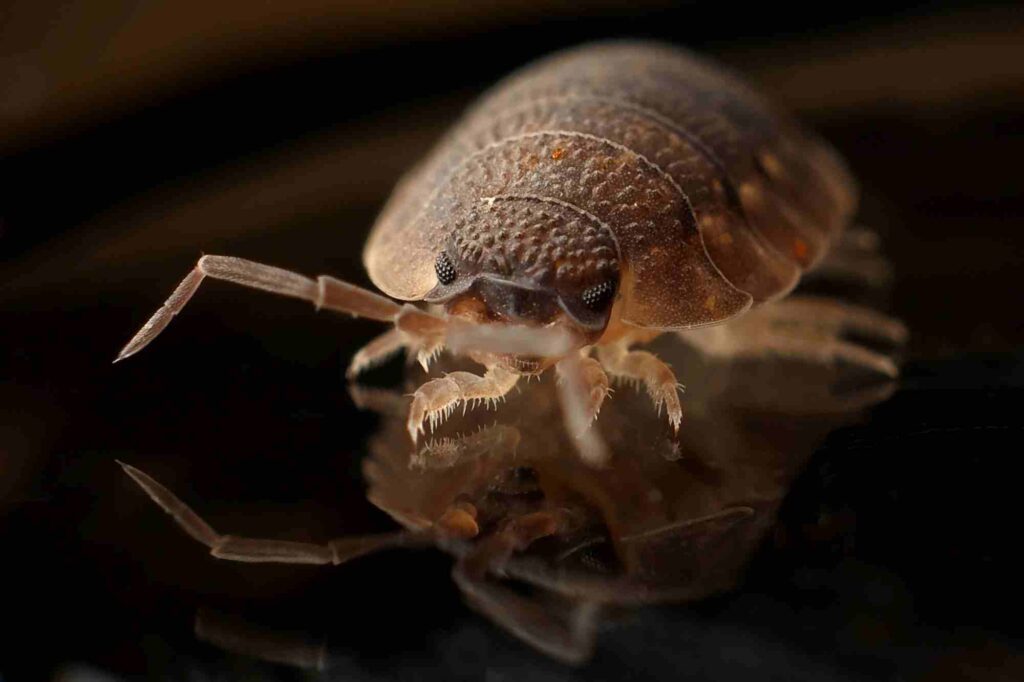
Bed bugs are a common problem for homeowners, and they can be difficult to get rid of. If you think you may have bed bugs, it's important to know how to identify them and how to get rid of them.
It is preferable to discover a bed bug problem before it becomes entrenched and widespread. Despite the fact that it may be inconvenient, dealing with a little infestation is simpler and cheaper than dealing with a broad one.
However, minimal infestations are notoriously difficult to detect and diagnose. It's easy to confuse rug beetles and other insects with bed bugs. If a bed bug infestation is misdiagnosed, the insects have more time to spread throughout the home or catch a trip to another person's home, where they can begin a new infestation.
Finding and killing these tiny, bloodsucking bugs before they can multiply and spread is one of the greatest methods to safeguard yourself and your loved ones from them.
Do you have a bed bug problem? All Pests offers Bed Bug Treatment, Inspection & Pest Control Services. We have years of experience in pest control and inspection, and we can help you get your home back to normal.
This blog post will help you do just that. Keep reading for tips on how to spot bed bugs, what to do if you have them, and how to prevent them from coming back.
Hiding Places of Bed Bugs
Unsuspecting hosts may unwittingly bring bedbugs into their homes on secondhand furniture, clothing, and other objects. Because of their elongated shape, they can squeeze even through the tiniest openings.
Although they don't build nests like wasps or ants, bedbugs like to congregate in secret hiding spots.
Bedbugs frequently make their first homes in soft furnishings like mattresses, headboards, bed frames, and spring boxes because of the easy access they provide for nighttime biting.
However, they may eventually disperse around the space, taking up residence in any available cracks or hiding spots. It's also possible for them to expand to adjacent spaces, such as flats or rooms.
Bedbugs are not a symptom of filth because they feed exclusively on blood. They can be found equally in clean homes and hotels as they are in dirty ones.
Possible Bed Bugs Warning Signs

If you have recently purchased a used bed or other old furniture, or if you have noticed itchy spots on your body that weren't there before sleeping, you may have bedbugs.
If you think you have a bed bug problem, you should inspect all of your bedding for live bugs and bug droppings. Take off the bottom dust cover of the spring box to check the joinery. Unstaple the fabric from the wooden structure.
Look under the mattress, behind the headboard, under the telephone, under the radio, under the carpet, and in the wall outlets. Bedbugs may hitchhike on clothes, so it's a good idea to inspect your closet. Call an exterminator if you are unsure what to look for in terms of bedbugs.
In the event that you detect any of the following evidence of an infestation, you should take immediate action to eliminate the problem and safeguard against a recurrence.
We know how much damage pests can do. That’s why All Pests offer affordable pest control services that will get rid of the pests and stop them from coming back.
Odours
Pheromones called "alarm" scents are released by bed bugs when they feel threatened. Some people describe the scent of such pheromones as being either somewhat sweet or musty. First-hand accounts compare the aroma to that of almonds, coriander, raspberries, or cilantro
Pheromones typically have a very subtle scent, barely perceivable by the human nose. Few people, if any, can identify the sweet pheromone odour of bed bugs without the help of a specially trained canine.
The pheromones of a huge population of bed bugs combined with the stench of their dead bodies, their shell casings, and their faeces. The resulting rusty stench is unpleasant and gets stronger as the infestation worsens.
Odour is usually the least dependable of the early indicators of bed bugs. That's because the smell of a single bed insect isn't strong enough for people to detect in low numbers. In addition, the odour of bed bugs or an infestation is unfamiliar to most people, so if you do detect it, you might not know what it is.
Bed Bug Bites
Bed bugs are often first suspected when a person wakes up with bites from unknown insects.
Bedbugs are nocturnal insects that commonly attack sleeping humans. Their long beak allows them to pierce the skin and drain blood. The bugs creep away undetected after feeding for three to ten minutes.
Bites from bedbugs rarely cause immediate discomfort but often result in itching welts. Unlike flea bites, which tend to occur around the toes, bedbug bites can occur anywhere there is exposed skin when sleeping. Also, unlike flea bites, there is no central red mark on the skin.
Bed bug bites are not, however, sufficient evidence to confirm an infestation, according to experts in the field of pest control. Bed bug bites can generate quite diverse symptoms in different people, making it impossible to tell them apart from those caused by other insects.
The itchiness and skin rashes caused by bedbugs may be misattributed to mosquito bites if the infected person is unaware of the infestation. A shocking 30 per cent of people show no signs of a reaction to bed insect bites.
The most typical reaction to bed bug bites is the development of small clusters of red, itchy pimples. Bed bug bites often occur in lines or clusters of three, a pattern known as "breakfast, lunch, and dinner". However, bed bug bites don't always cluster together. Sometimes they come in solitary or sporadic clusters.
Bed bug bites, as a related note, are not harmful and do not spread any infections. Bed bug saliva contains compounds that may trigger an allergic reaction in certain people. Seek medical assistance if being bitten causes severe symptoms such as itching, discomfort, swelling, blistering, fever, or flu-like symptoms.
Bloodstains
Bed bugs don't always get away unscathed, even though we don't usually see them when they're feasting on us.
If you look at a bed bug before and after it has consumed a large amount of blood, you will see that the former looks more like a flat seed and the latter more like a miniature football. A bed bug that has just finished feeding may be crushed or squeezed to death if you make a quick movement or shift in your sleep.
Blood from their most recent meal may flow out, leaving a red or rust stain, although this normally doesn't kill them.
The first thing you should do if you discover what seems to be a bloodstain on your linens, clothes, or pillow is to examine your person for any cuts or scabs that could explain the stain. Without a better explanation, the bloodstain might have been made by a misfortunate bed bug.
It's possible that bed bug bites could be the direct cause of some blood stains. Since bed bugs' saliva has an anticoagulant, their blood is unable to clot while they feed. Even after they've finished eating, the bites could keep bleeding for a long.
Eggs or Faecal Traces
Bed bug faecal marks, commonly known as "faecal spotting," are significantly smaller and darker than the bloodstains we mentioned above.
Bed bug faeces include digested human blood, which can leave visible stains. The digested blood is a dark brown or black hue and has a mild, musty odour due to the iron content; together, they add to the disagreeable odour of a bed bug infestation.
Meanwhile, female bed bugs that are currently pregnant can deposit anywhere from one to seven eggs per day.
If you don't know what you're looking for, an egg may look like a regular blob to the untrained eye, but experts can spot subtle differences. Each egg has a hinged cap at its end, from which the hatched beg bug emerges. Only under a microscope can you detect that bed bug eggs older than 5 days have a darker eye spot.
Actual Bed Bugs

Now we get to the most telling sign: actual bedbugs.
Bed bugs often stay in one place except when foraging for food or when pregnant females are trying to evade aggressive males. Once bed bugs discover a hiding spot, they tend to stay put.
This is why many people do not notice an infestation of bed bugs until it has reached a critical stage. Bed bugs are difficult to spot unless their hiding spots are disturbed, such as when preparing for a move.
Discovering an alive bed bug in your house could seem like irrefutable evidence, but it's not always that cut and dry.
Bed bugs are frequently misidentified as other insects and vice versa. Some people also believe that bed bugs are no bigger than apple seeds, which is completely wrong.
The typical length of an apple seed is 7.5 mm, while the average length of an adult bed bug is just 4 to 5 mm, therefore this is not quite accurate. The smallest bed bug nymphs measure just about 1 mm long.
Getting Rid of Bed Bugs
Bedbugs can be managed by cleaning affected areas, but complete elimination typically needs chemical treatments. Using insecticides on your bed and in your bedroom can be dangerous, therefore it's crucial to find alternatives that are safe to use there. If it doesn't say you can use the product on mattresses and bedding, don't use it.
In most cases, having a trained pest control expert get rid of bedbugs is the safest and most efficient option.
Bedbugs, and other termites can cause a lot of damage to your home, which is why it's important to get an inspection as soon as you suspect you might have a problem. All Pests offers Termite Inspection & Extermination Quality Assurance and will work with you to find the best solution for your home.
Conclusion
It might be challenging for homeowners to get rid of bed bugs. Identifying a bed bug issue before it gets pervasive and widespread is ideal. Their length makes them perfect for fitting through narrow passageways. Locate and eliminate these tiny bloodsucking insects before they can proliferate. As their name implies, bed bugs are nocturnal insects that prey upon unsuspecting individuals as they sleep.
However, specialists in pest control say that bed bug bites alone are not enough proof to indicate an infestation. Checking your closet for bedbugs is a good idea because they can hitchhike on clothing. Bites from bed bugs are harmless and do not carry disease. Only 30% of people show any sort of reaction to bites from bed bugs. Those who are allergic to bed bugs may be reacting to chemicals found in their saliva.
If a person is not aware that they have a bedbug infestation, they may mistake the itching and rashes caused by the bugs for those caused by mosquito bites. Unless their hiding places are disturbed, bed bugs are very difficult to notice. Many people wrongly assume that bed bugs are no bigger than apple seeds. Avoid using potentially harmful insecticides in your bedroom and on your bed. The most secure and effective method of eliminating bedbugs is to hire a professional pest control service to do the job.
Content Summary
- It might be challenging for homeowners to get rid of bed bugs.
- Learn to recognise these pests and destroy them if you suspect you have a bed bug infestation.
- Identifying a bed bug issue before it gets pervasive and widespread is ideal.
- However, finding and diagnosing infestations of this level are notoriously challenging.
- You can mistake rug beetles or some other insect for bed bugs.
- A misdiagnosis of a bed bug problem allows the pests additional time to invade other rooms or hitch a ride to someone else's house, where they might start a new infestation.
- To protect yourself and your loved ones against these tiny, bloodsucking bugs, it's important to locate and eliminate them before they may breed and spread.
- If so, you'll find some useful advice in today's blog post.
- Please read on for information on how to recognise an infestation of bed bugs, how to get rid of them, and how to stop them from coming back.
- places, where bed bugs like to hide bed bugs, can hitchhike on second hand couches, coats, and other items and be introduced into a home without the knowledge of the host.
- Bed Bugs don't make nests like wasps and ants, but they do like to gather in dark, concealed areas.
- Since they only eat blood, bedbugs are not a sign of squalor.
- So, they are just as common in squeaky-clean homes and hotels as they are in filthy ones.
- You may have bed bugs if you have recently bought a used bed or other old furniture, or if you have itchy places on your body that were not present before bed.
- It's a good idea to check the following places: the floor, the wall outlets, the area under the bed, the telephone, the radio, the carpet, and the back of the headboard.
- In addition, you should check your closet for bed bugs because they can hitchhike on clothing.
- If you are unaware of what to look for in a bedbug infestation, you should contact a professional exterminator.
- Any of the following signs of an infestation warrants prompt action to eradicate the problem and prevent its return.
- When bed bugs sense danger, they generate a pheromone known as an "alarm" fragrance.
- A sweet or musty aroma has been used to describe the smell of these pheromones.
- There aren't many individuals who, without the aid of a trained dog, can sniff out the delicious pheromone odour of bed bugs.
- Bed bug pheromones and the putrid odour of decaying insects, their shells, and their excrement.
- Among the possible warning signs of bed bugs, a foul odour is typically the least reliable.
- That's because the odour produced by a single bed bug isn't powerful enough for humans to pick up on.
- In addition, most people aren't accustomed to the smell of bed bugs or an infestation, so even if they do pick it up, they might not know what it is.
- People commonly assume bed bugs when they wake up with bites from mysterious critters.
- There is no central red mark on the skin like there is with flea bites.
- If a person is not aware that they have a bedbug infestation, they may mistake the itching and rashes caused by the bugs for those caused by mosquito bites.
- It is astonishing that 30% of people have no reaction at all to bites from bed bugs.
- The bites of bed bugs typically cause clusters of red, painful pimples.
- However, bites from bed bugs don't usually happen in clusters.
- One can encounter them singly or in small, infrequent groups.
- In a similar vein, bed bug bites are completely harmless and cannot transmit disease.
- Some people may have an allergic reaction to the substances found in bed insect saliva.
- If a bite results in severe symptoms including itching, discomfort, swelling, blistering, fever, or flu-like symptoms, medical attention should be sought.
- If you see a bloodstain on your sheets, shirt, or pillow, check your body for any injuries or scabs that would explain the stain first.
- The bloodstain might have been caused by an unfortunate bed bug if another reason cannot be provided.
- Some blood stains may have been caused by bed insect bites.
- Faecal spotting from bed bugs is much smaller and darker than the bloodstains we just discussed.
- In the meantime, a pregnant female bed bug can lay anywhere from one to seven eggs a day.
- An egg might look like any other blob to someone who has never looked at one before, but a trained eye can see minute differences.
- You need a microscope to see the difference, but bed bug eggs older than five days have a darker eye spot.
- The presence of actual bedbugs is now the most revealing symptom.
- Bed bugs tend to remain in a single location, moving only when in search of food or when pregnant females are attempting to flee from territorial males.
- Bed bugs are notoriously reluctant to move once they have found a safe haven.
- This is why many people don't realise they have a bed insect problem until it's too late.
- Unless their hiding places are disturbed, such as when packing for a move, bed bugs are difficult to detect.
- An actual, living bed bug in your home might seem like indisputable proof of an infestation, but things aren't always so black and white.
- Insects other than bed bugs are often mistaken for them.
- Similarly incorrect is the idea that bed bugs are no bigger than apple seeds.
- A mature bed beetle is only about 4 or 5 mm in length, making this comparison inaccurate. The average length of an apple seed is 7.5 mm.
- Controlling bedbugs can be accomplished by cleaning infested areas, but total elimination often requires chemical treatments.
- It is important to identify non-hazardous alternatives to using insecticides on your bed and in your bedroom.
- If it doesn't specifically mention on the label that it's safe to use on mattresses and bedding, then you shouldn't use it.
- The most secure and effective method of eliminating bedbugs is to hire a professional pest control service to do the job.
FAQs About Bed Bugs
The bite marks are similar to that of a mosquito or a flea — a slightly swollen and red area that may itch and be irritating. The bite marks may be random or appear in a straight line. Other symptoms of bed bug bites include insomnia, anxiety, and skin problems that arise from the profuse scratching of the bites.
Wash bedding and clothes in hot water for 30 minutes. Then put them in a dryer on the highest heat setting for 30 minutes. Use a steamer on mattresses, couches, and other places where bedbugs hide. Pack up infested items in black bags and leave them outside on a hot day that reaches 95°F (35°C) or in a closed car.
They can come from other infested areas or from used furniture. They can hitch a ride in luggage, purses, backpacks, or other items placed on soft or upholstered surfaces. They can travel between rooms in multi-unit buildings, such as apartment complexes and hotels.
The high temperature of steam 212°F (100°C) immediately kills bed bugs. Apply steam slowly to the folds and tufts of mattresses, along with sofa seams, bed frames, and corners or edges where bed bugs may be hiding.
Ideally, one should void squeezing bed bugs, as this may subsequently increase the bed bug problem. Killing a bed bug that we squeeze will leave many more bed bugs behind that will continue to breed. And squeezing bed bugs may end up with an even worse infestation.